What is Responsible Tourism?
MP Tourism refers to the tourism sector of Madhya Pradesh (MP) — a state in central India known as the “Heart of Incredible India”. It includes government efforts and organizations that promote tourism attractions, manage tourist services, develop infrastructure, and highlight cultural, historical, natural, wildlife and spiritual destinations across the state.
MP Tourism Focuses on :-
- Cultural and Heritage Tourism
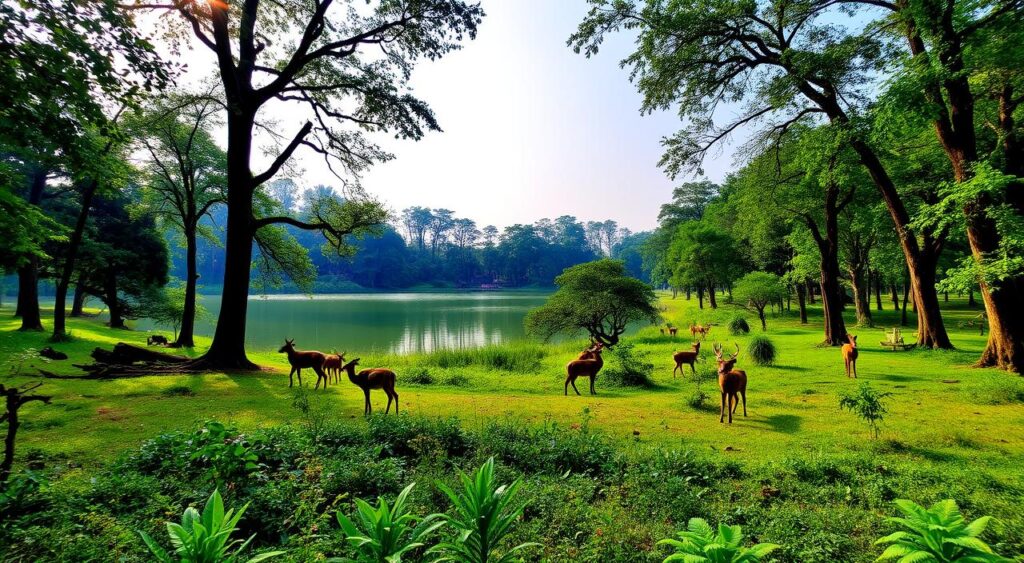
- Wildlife and Nature Tourism
- Adventure & Outdoor Experiences
Founders Ankit Rastogi and Pradeep Vijayan envisioned a place where travel doesn’t just visit nature but supports it, where communities aren’t sidelined but integrated, and where every visitor contributes something to the land and to the people. This led to them building a place that was designed not as another wildlife lodge, but as a space where nature, community, and conscious living coexist. At Khokharaa, the forest is not a backdrop, it is a responsibility. The village is not a workforce, it is a partner. And the traveler is not just a guest but the most important participant in a larger ecosystem for its sustainability and betterment.
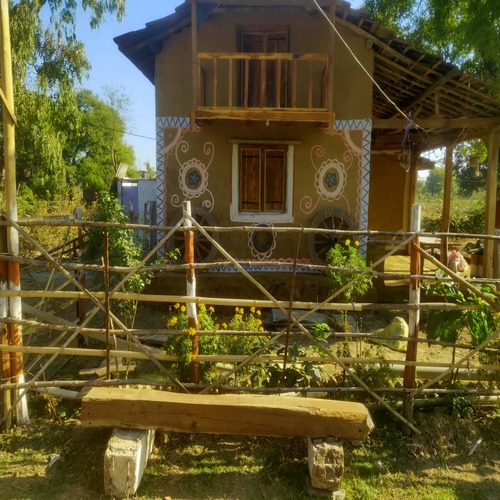
The Homestay scheme of MP Tourism is introduced under the Responsible Tourism initiative by the Madhya Pradesh Tourism Board. The main idea is to promote rural tourism by allowing local families to offer accommodation to tourists in their homes. This scheme helps visitors experience the culture, traditions, and local lifestyle of Madhya Pradesh. It also supports employment and income generation for village communities, especially women and youth. MP Tourism provides training, registration support, and promotion to homestay owners. Overall, the scheme encourages sustainable tourism and boosts the rural economy.
The Eco-Friendly and Cultural Tourism Initiative focuses on promoting sustainable travel while preserving the rich heritage of Madhya Pradesh. It encourages tourists to explore local traditions, tribal culture, historical monuments, and natural landscapes in a responsible way. The initiative supports eco-friendly practices such as reducing environmental impact and promoting green tourism destinations. It also helps rural communities by involving them in tourism activities like homestays, handicrafts, and cultural programs. Overall, this initiative aims to protect nature, celebrate culture, and ensure tourism benefits both visitors and local people.